
EXPERIENCED PET DESEXING SERVING PENRITH
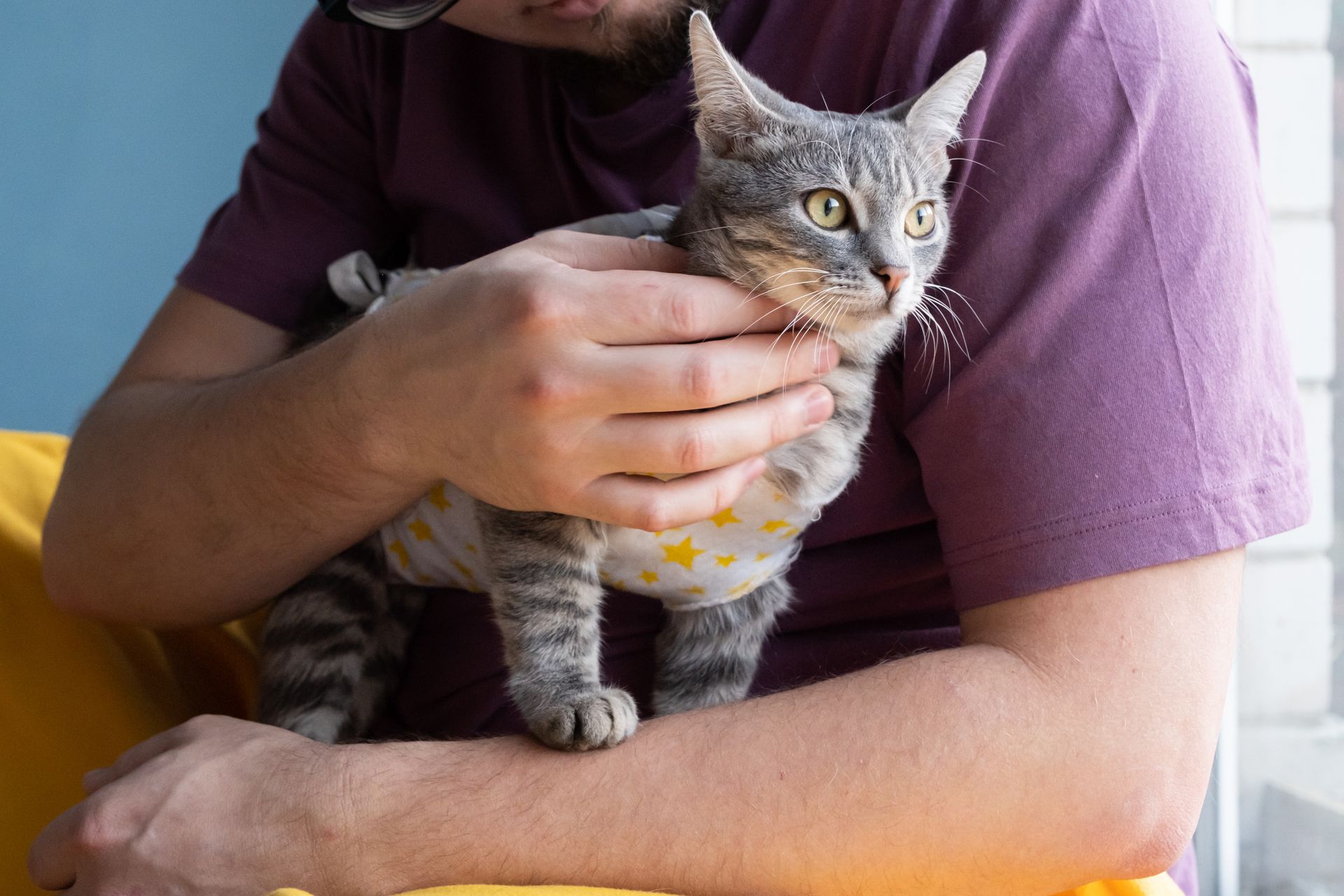
What is Pet Clinical Pathology
Orchard Hills Veterinary Hospital offers pet desexing services to Penrith families, including those in Glenmore Park, Kingswood, and Werrington. Desexing your pet is one of the most important decisions you can make. Call
(02) 4736 2027 to book today.
Why Pet Desexing Matters
for Your Dog or Cat
Desexing can significantly improve your pet's long-term health and quality of life. For females, it eliminates the risk of pyometra and may reduce the risk of mammary tumours. For males, it can lower the risk of testicular cancer and reduce roaming and territorial behaviours. Desexed pets often settle more easily into family life.
Desexing also helps reduce pet overpopulation across the Penrith City Council area and Greater Western Sydney.
Health Benefits at a Glance
Eliminates the risk of uterine infection (pyometra) in females.
May reduce the risk of certain reproductive cancers.
Can reduce hormone-driven roaming, aggression, and territorial marking.
Supports a longer, healthier life for your pet.
When Should I Desex My Pet?
Cats can often be desexed from around four months, while most dogs may be desexed from five to six months. Larger breeds can sometimes benefit from waiting until they are slightly more mature. Your vet will assess your pet and recommend the most appropriate timing.
Book a vet health services consultation to discuss the right approach before proceeding.
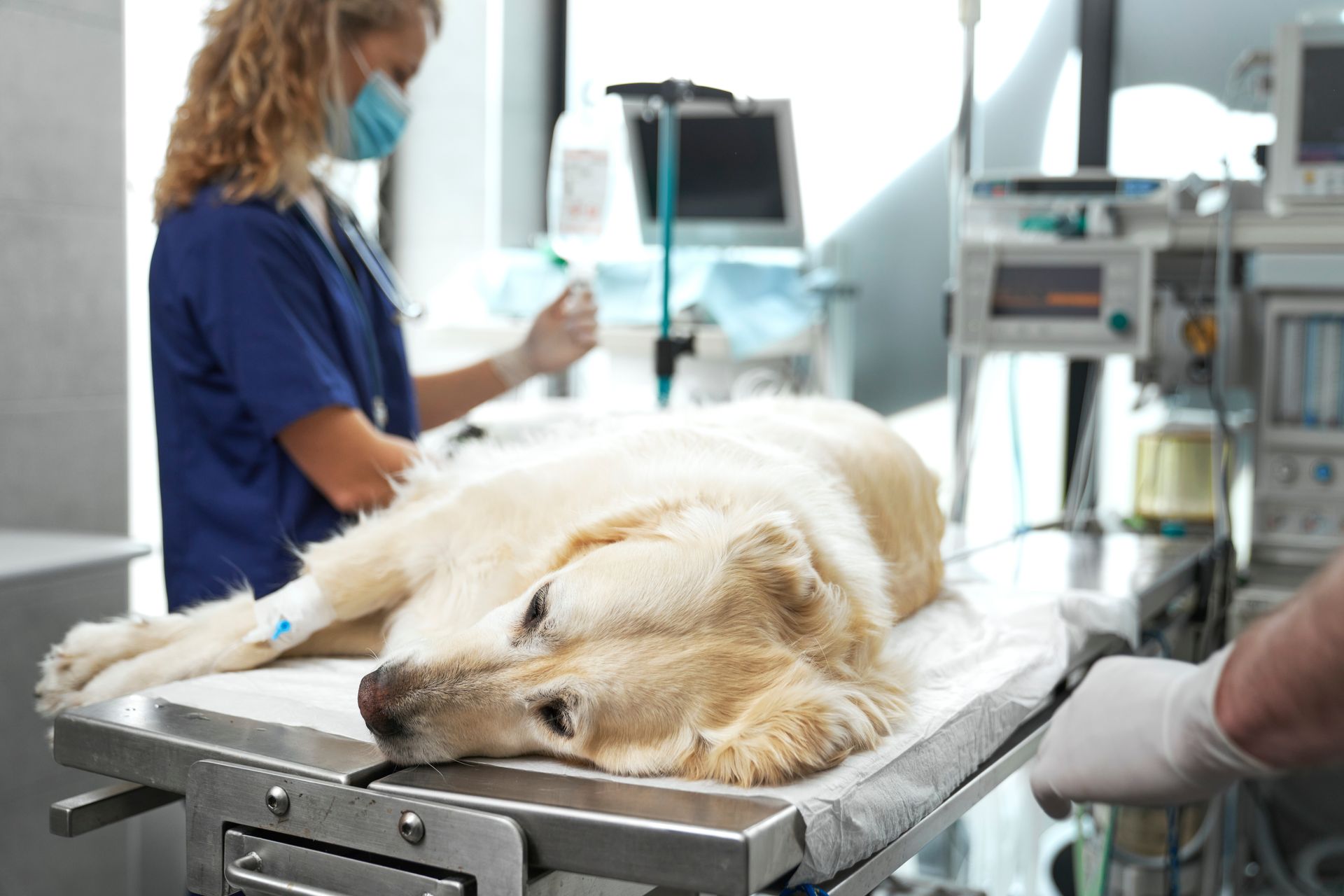
What to Expect: The Pet Desexing Process
- A pre-surgical health check confirms your pet is fit for anaesthesia.
- Your pet is admitted and prepared for surgery.
- The procedure is carried out by an experienced veterinary surgeon under full anaesthesia.
- Your pet is monitored during recovery until stable and comfortable.
- You receive aftercare instructions and a desexing certificate.
NSW Registration and Your Desexing Certificate
Under NSW companion animal legislation, all cats and dogs must be registered with your local council. A desexing certificate from your vet can qualify your pet for a lower registration fee with Penrith City Council. Orchard Hills Veterinary Hospital will provide a certificate showing your pet's microchip number and date of desexing for direct submission to council.
Frequently Asked Questions About Pet Desexing
At What Age Should I Desex My Dog or Cat in Penrith?
Most cats can be desexed around four months and most dogs at five to six months. Timing varies by breed, so a consult is best.
What Are the Health Benefits of Desexing My Pet?
Desexing may reduce the risk of certain cancers and serious infections like pyometra and can support calmer behaviour and a longer, healthier life.
How Long Does Recovery Take After Desexing?
Most pets recover within seven to ten days. Your vet will provide aftercare instructions covering wound care, activity restrictions, and follow-up.
Will I Receive a Desexing Certificate for NSW Registration?
Yes. You will receive a veterinary certificate confirming your pet's desexing and microchip number for NSW companion animal registration with Penrith City Council.
How Do I Book a Pet Desexing Appointment?
Use the contact form on the website. Your vet will arrange a pre-surgical consult to make sure your pet is ready.
Book Your Pet's Desexing Today
Orchard Hills Veterinary Hospital has served pets and families since 1980. Families from Glenmore Park, Kingswood, and St Clair are welcome. Call (02) 4736 2027 to book an appointment for pet desexing serving Penrith today.